-
An amendment to the National Defense Authorization Act would expand access to the Financial Crimes Enforcement Network's beneficial ownership database. That would allow financial firms to cut off drug traffickers' financing.
September 25
-
Antitrust enforcers are preparing to accuse the payments giant of taking steps to keep rivals from challenging its dominance in the debit card market, according to people familiar with the matter.
September 24
-
The suit was filed by three New Jersey residents who alleged that BofA froze their prepaid debit cards during a pandemic-era fraud wave, blocking them from accessing unemployment benefits.
 September 23
-
While it can be difficult to recover the funds victims lose to the scams, the U.S. has created a legal safe harbor that banks can use to share intel to prevent fraud.
 September 23
-
A hearing included discussion of European laws that will put banks on the hook for fraud schemes, and whether the U.S. needs a digital identity standard.
September 20
-
Fintech app Yotta filed a lawsuit against partner bank Evolve, arguing that it conspired with Synapse to misuse customer funds.
 September 19
-
Agencies must now provide clearer justifications for their interpretations, while Congress needs to draft more precise legislation. The decision could empower banks to challenge agency rules more frequently and potentially prolong regulatory processes, with courts giving less deference to agency interpretations.
 September 19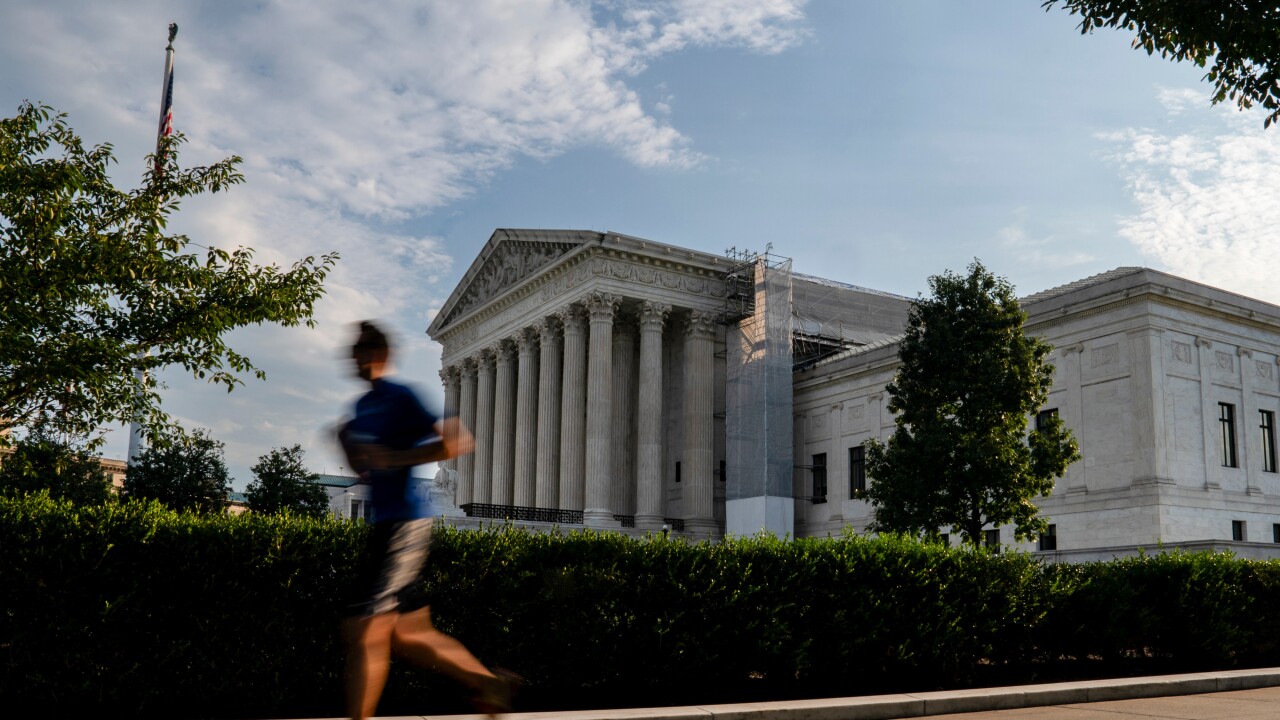
-
In a new lawsuit, a former BMO employee says he was fired because he reported his concern that the bank was intentionally charging too much to clients who used a foreign-exchange product. BMO denies the allegations.
 September 18
-
As Silvergate Capital filed for Chapter 11 bankruptcy protection, an executive said the company's crypto-friendly bank went down last year because regulators soured on its business model.
September 18
-
Nothing less than a whole-of-government approach, in concert with the financial services industry, will be enough to address the spiraling cost of fraud to both businesses and consumers.
September 18
-
St. Mary's Bank in New Hampshire tries to serve members as it has for 116 years, while dealing with today's cybersecurity and fraud concerns.
 September 16
-
A new OCC action over the megabank's anti-money-laundering guardrails, which follows news of seemingly more severe lapses at TD Bank, is raising concerns that a broader crackdown is at hand.
 September 13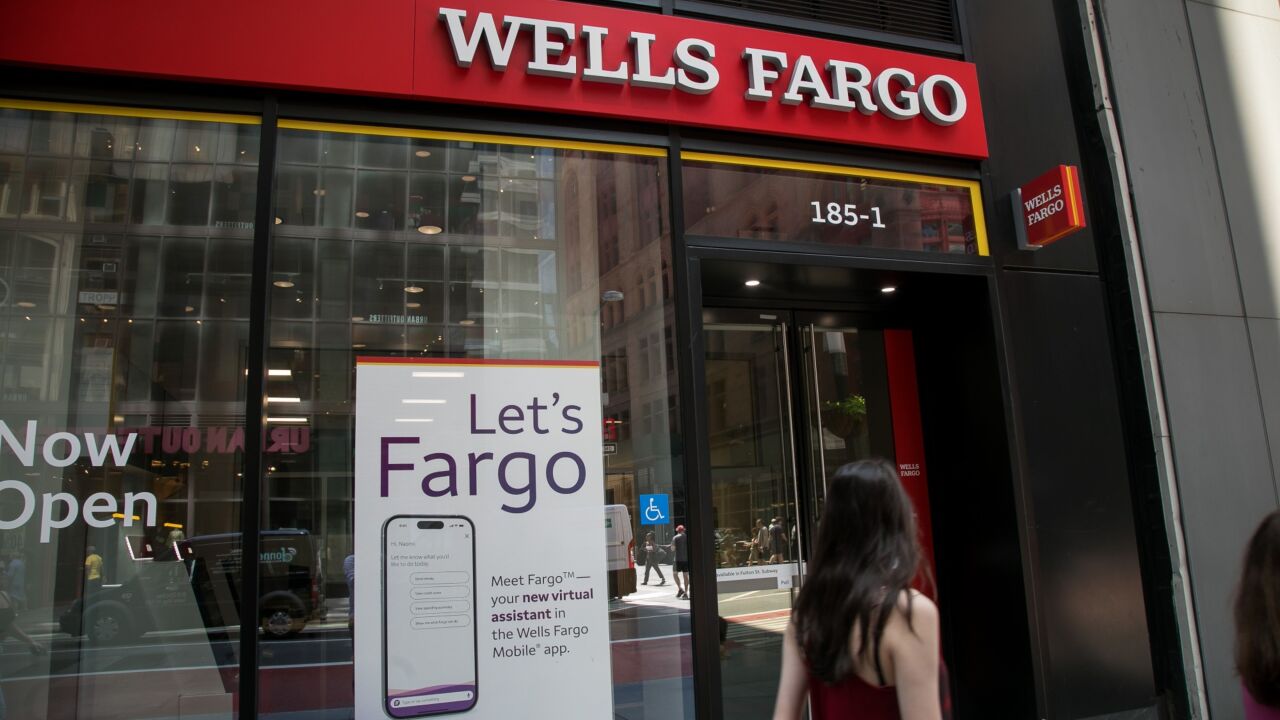
-
The Canadian bank said it expects to recover hundreds of millions of dollars after a three-judge appeals panel found that it cannot be held liable in connection with a multibillion-dollar fraud. The ruling echoed a different appeals court's decision stemming from the collapse of Bernard Madoff's Ponzi scheme.
 September 13
-
The penalty by the Office of the Comptroller of the Currency is a major setback for the San Francisco bank, which was freed from a separate anti-money-laundering order in 2021. Its stock price fell sharply after the news broke.
September 12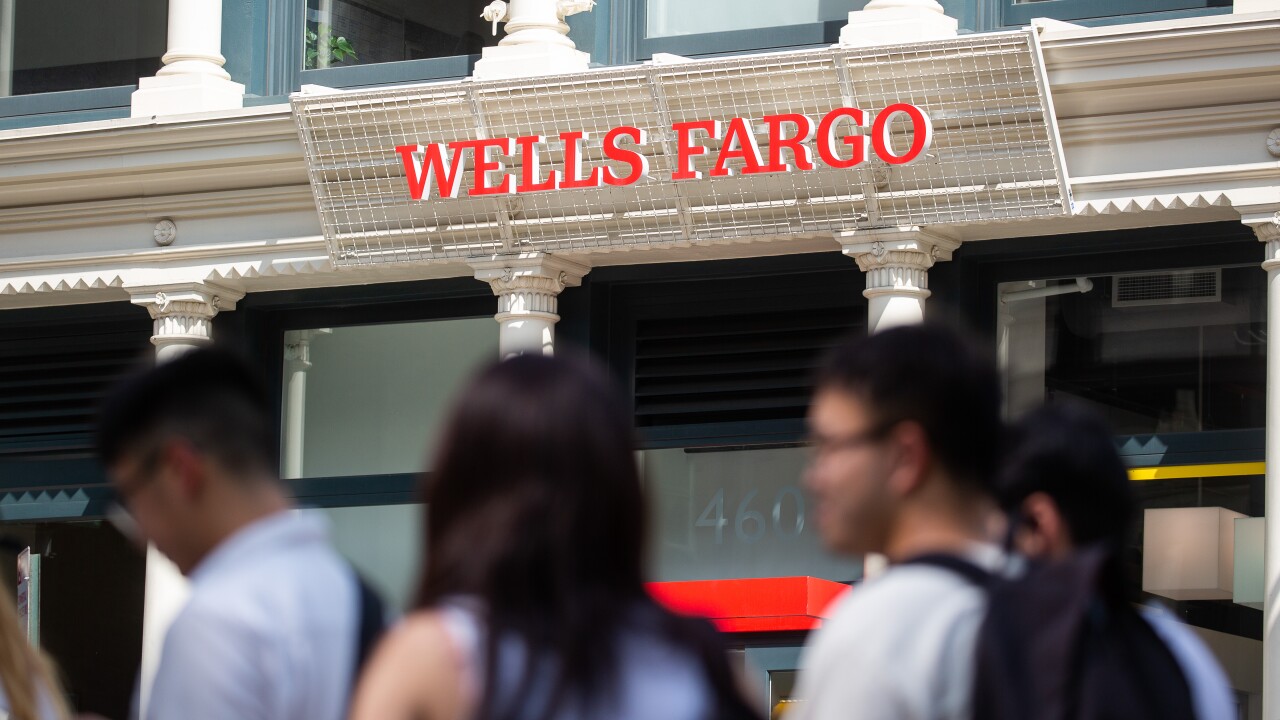
-
The law that created the Consumer Financial Protection Bureau stipulates that the agency must be funded by the central bank's earnings. But, the Fed has been losing money for two years. Therefore, its payments to the agency are not legal.
September 12
-
Banks and consumers report fraud at higher rates than they did before the pandemic, and those cases have continued getting costlier.
September 11
-
The bureau studied mail theft-related check fraud and found that fraudsters often know to manipulate checks and avoid branches.
September 9
-
-
Reports of fraud committed against financial companies are on pace to, for the first time, fall this year compared with 2023. Consumer reports of fraud are also down.
September 9
-
A company spokesperson said the company reviews fraud-related issues and refers them to law enforcement "as appropriate."
September 6


