-
The Consumer Financial Protection Bureau plans to issue an interim final rule soon on consumer financial data rights because the agency expects to run out of money by Dec. 31.
 December 10
-
A federal court cannot modify a preliminary injunction to compel the acting director of the Consumer Financial Protection Bureau to request funding for the agency, the Department of Justice said.
December 9 -
Democratic senators are calling for Senate Banking Committee Chairman Tim Scott to compel the acting director of the Consumer Financial Protection Bureau to testify.
December 9
-
In oral arguments held Monday morning, a majority of Supreme Court justices seemed poised to overrule a 90-year-old precedent validating multimember independent commissions, but it remains uncertain what limits — if any — the court may impose on the president's removal powers.
 December 8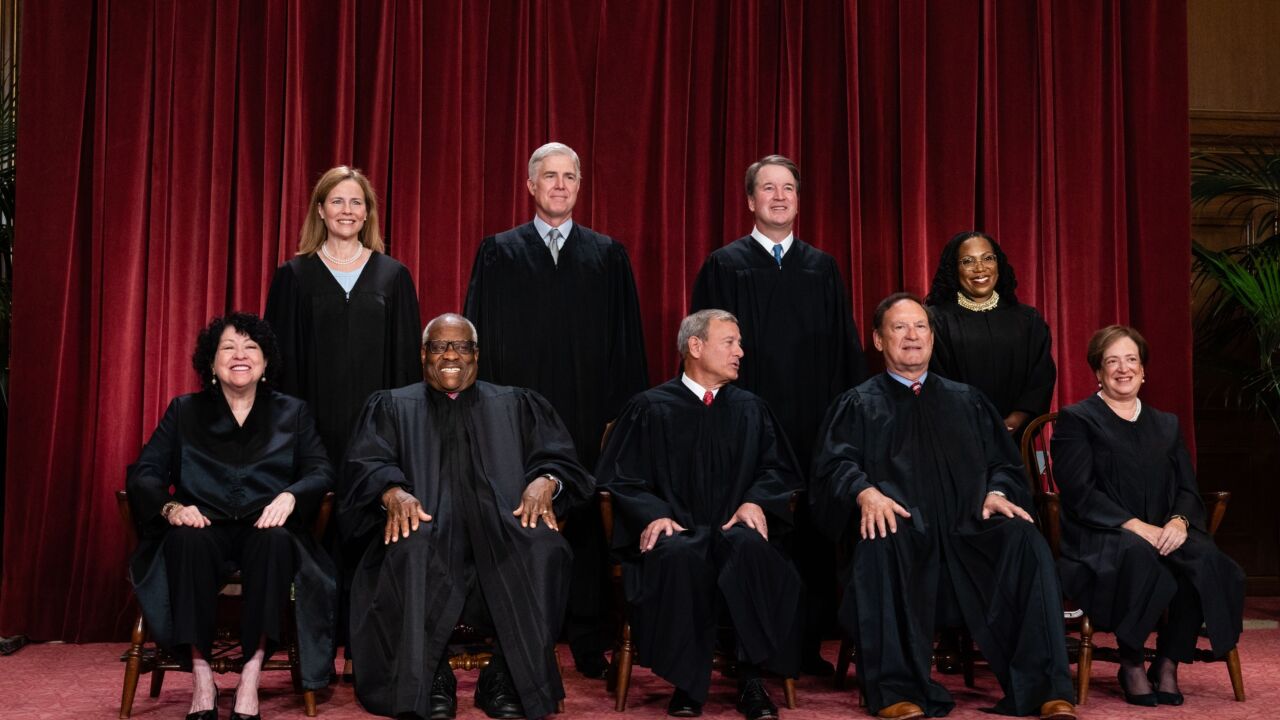
-
The Consumer Financial Protection Bureau's acting Director Russell Vought has an obligation to request funding for the agency, five former Federal Reserve officials said. Plus, three nonprofits sue Vought and the CFPB.
December 8 -
While overall payments declined, the financial sector remained the top payer to cybercriminals, surpassing both health care and manufacturing.
 December 5
-
-
Danny Seibel, who led First National Bank of Lindsay from 2007 until shortly before the bank's failure last year, is accused of falsifying bank documents to conceal the condition of loans.
 December 5
-
JPMorgan's Ben Carpenter will join Evercore as a senior managing director; Wells Fargo appoints Jackie Krese to head syndications within its fund finance group; the SEC is probing Jefferies over its relationship to bankrupt auto parts supplier First Brands Group; and more in this week's banking news roundup.
December 5
-
The Trump administration's decision not to seek funding for the CFPB and transferring remaining enforcement cases to the Department of Justice were cited as reasons for the resignation of Michael G. Salemi, who took over as CFPB enforcement chief earlier this year.
December 5 -
The Canadian bank still has more work to do as it rolls out additional processes, technology and training. TD will also have to prove to regulators and the U.S. Department of Justice that its actions are sustainable.
 December 4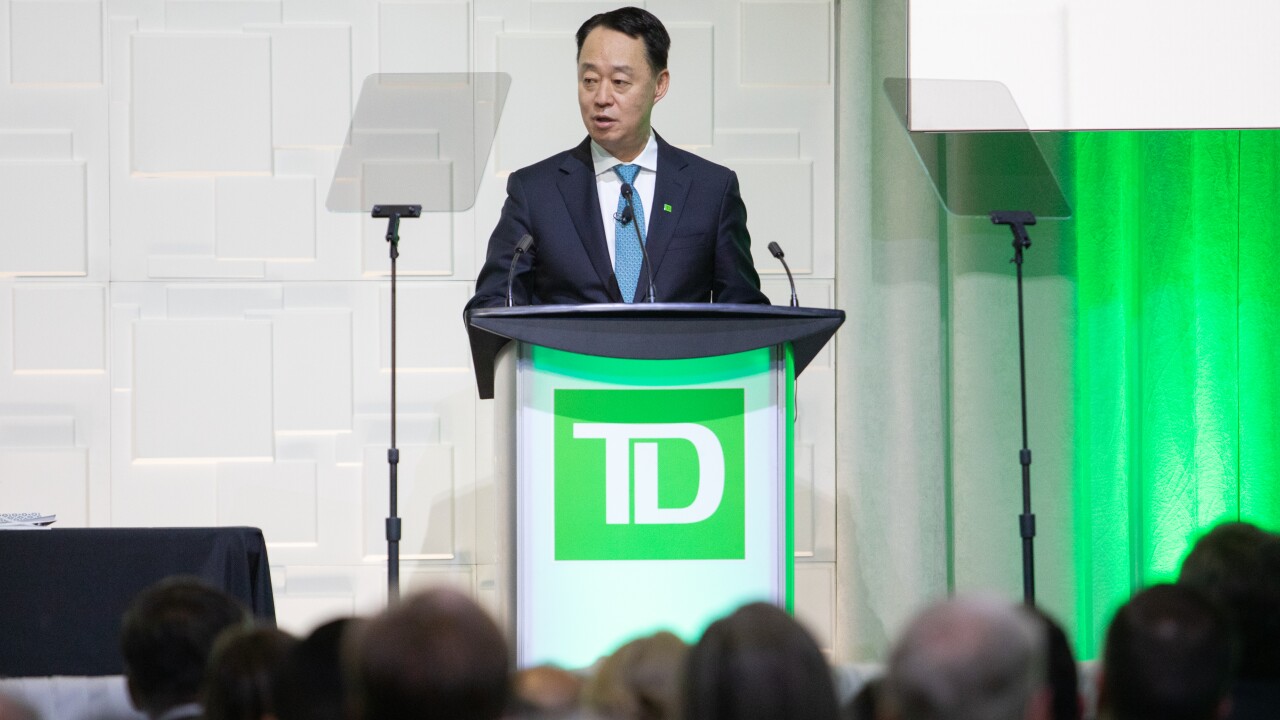
-
While banks welcome the "whole-of-government" approach that led the effort, private sector takedowns remain difficult without federal warrants.
December 3
-
The Troy, Michigan-based lender and servicer faces at least seven lawsuits over a hack in June allegedly perpetrated by a known ransomware gang.
 December 2
-
The global bank created an educational campaign designed to alert customers to the risk of AI-generated scam advertisements on social media.
 December 1
-
The Consumer Financial Protection Bureau and its union filed legal briefs Friday after a district court judge asked if a preliminary injunction aimed at preventing a mass layoff is still in effect.
December 1
-
Now that the Consumer Financial Protection Bureau has refused to request funding from the Federal Reserve System, many experts see the case making its way to the Supreme Court.
November 27 -
The activist investor HoldCo Asset Management alleges that Comerica and Fifth Third used a "flawed" process to arrive at a $10.9 billion merger agreement. On Tuesday, a Delaware judge said she will hold a hearing to determine if the banks omitted material information in their public disclosures.
November 25
-
The Supreme Court won't consider Todd Harper and Tanya Otsuka's case alongside a similar one involving the Federal Trade Commission when it hears oral arguments in early December.
 November 25
-
New guidance from the Office of the Comptroller of the Currency released Monday afternoon would streamline Bank Secrecy Act exams for community banks. The agency issued a separate request for information on consolidation and contracting power among core service providers.
 November 25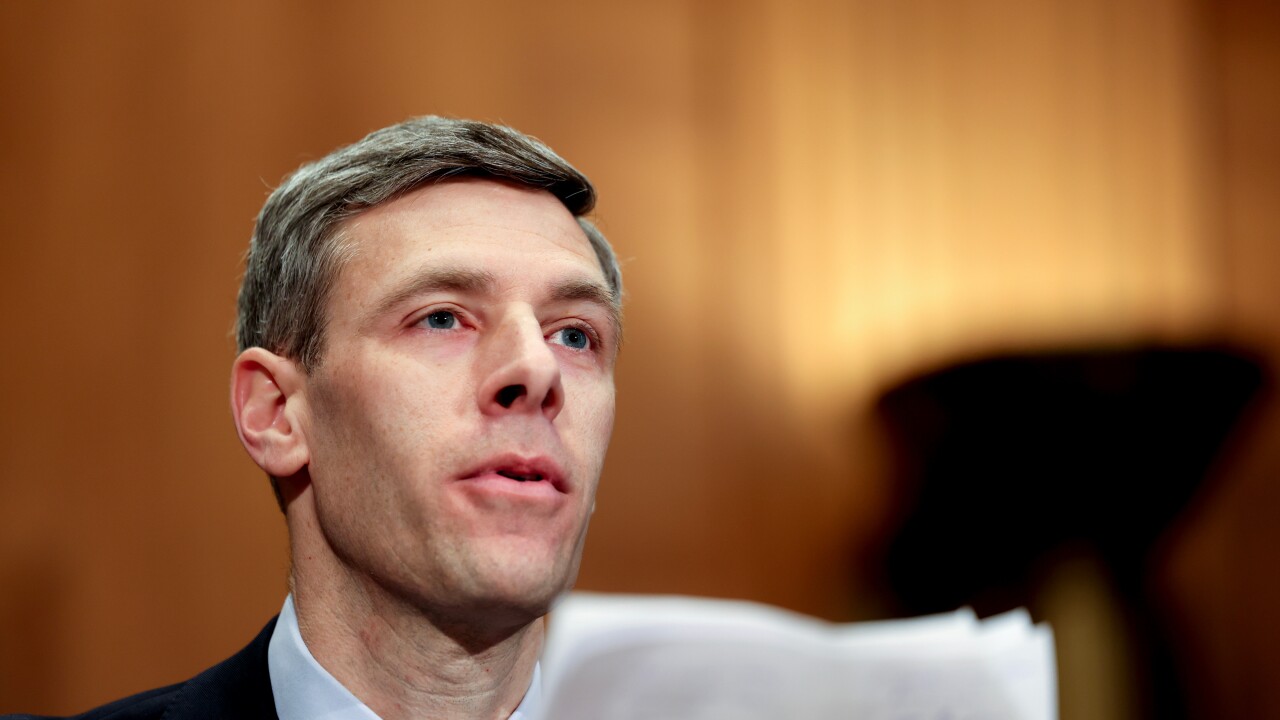
-
The Natural Treasury Employees Union has asked a district court to clarify whether Russell Vought, the acting director of the Consumer Financial Protection Bureau, has complied with a preliminary injunction.
November 24


